A solar water heating system in Guthrie, OK typically runs $3,000 to $12,000 installed, with most homeowners landing in the $3,700 to $9,000 range depending on collector type and freeze protection. Our crews at Chillwater Mechanical install and service these systems alongside conventional water heaters across Logan County, and the question homeowners ask most isn't about the environment, it's whether the math still works now that a key federal incentive has changed. Here's the real 2026 pricing, how the systems differ, and what that tax-law change means for your budget.
What Is a Solar Water Heating System?
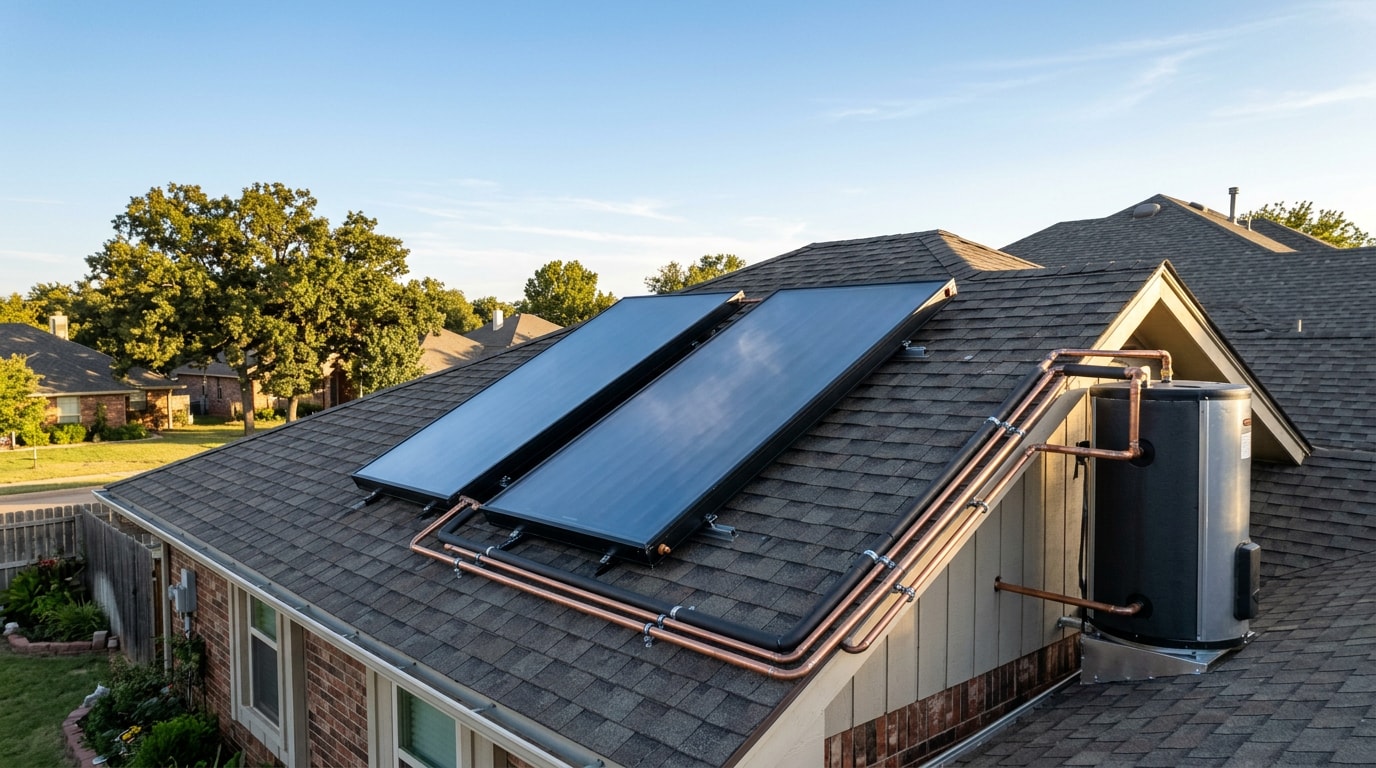
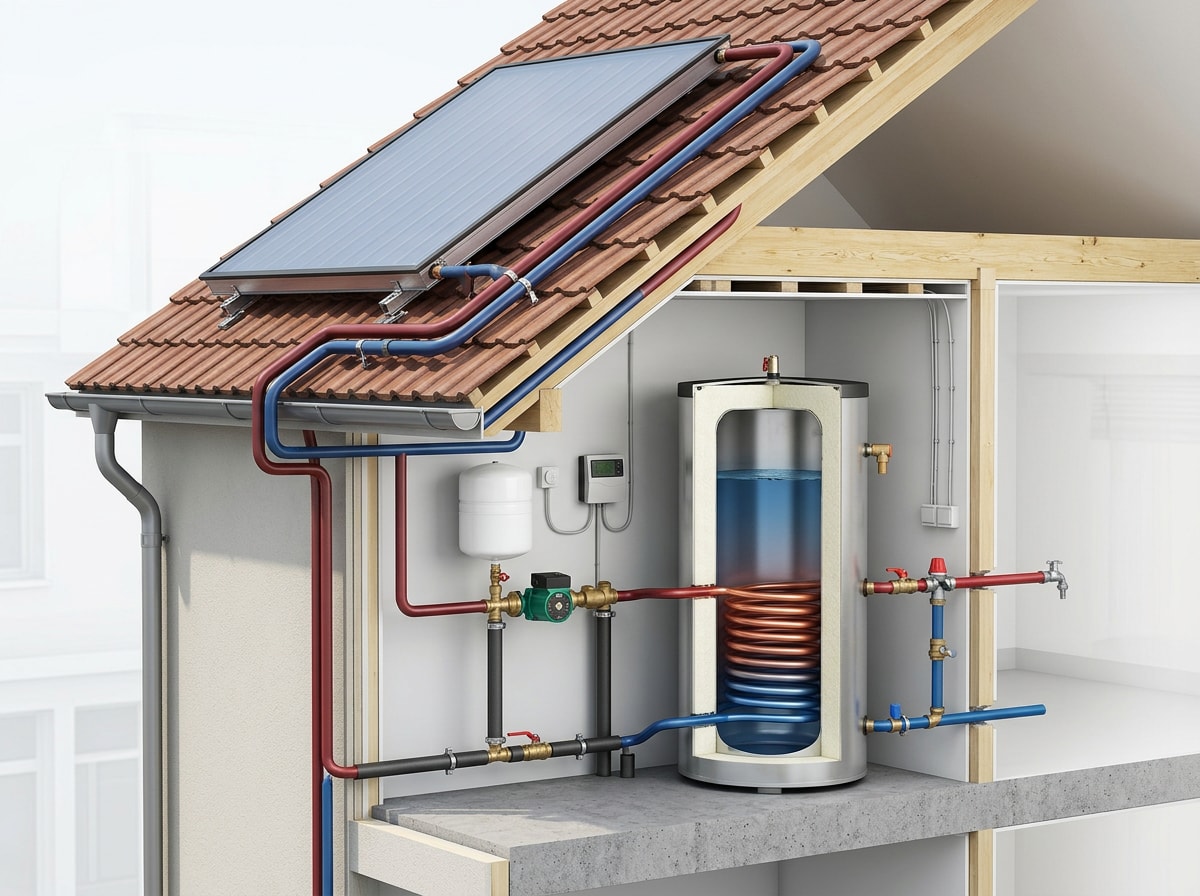
A solar water heating system uses a roof-mounted collector to absorb sunlight and transfer that heat into an insulated storage tank, supplying hot water to your home. It's a different animal from a rooftop solar-electric (PV) array, which feeds your electrical panel instead of your plumbing.
Solar water heaters come in a wide variety of designs, all including a collector and storage tank, and all using the sun's thermal energy to heat water, and they're typically described according to the type of collector and the circulation system. Most setups keep your existing gas or electric water heater in place as backup for cloudy stretches and winter demand spikes.
Solar Water Heater Cost in Guthrie, OK (2026)
National cost guides vary, but they cluster in a predictable band. The cost to install a solar water heater, with labor and parts included, runs an average of $3,706, though prices can range from $1,780 to $5,722 , while higher-end models and components could cost up to $12,000 . A solar water heater costs $3,000 to $9,000 installed on average.
| Source | Typical Installed Cost Range |
|---|---|
| Angi / HomeAdvisor | $1,780 – $5,722 (avg. $3,706); up to $12,000 for higher-end builds |
| HomeGuide | $3,000 – $9,000 |
| Raven New Energy (2026) | $3,000 – $9,500 before incentives |
Guthrie's climate works in your favor. Oklahoma averages about 5.1 peak sun hours per day, and any location with 4 or more peak sun hours is generally considered well-suited to solar. That's solid collector performance, but it doesn't erase the freeze risk that pushes many local installs toward active, indirect systems rather than bargain passive ones.
If you're comparing a solar add-on against a straight equipment swap, our HVAC installation team can walk through both paths side by side so you're pricing apples to apples.
Active vs. Passive Systems: What Guthrie's Climate Demands
Cost and suitability hinge largely on whether a system is active or passive, and that choice matters more here than in milder states.
Active Systems
Active, or forced-circulation, systems use electric pumps, valves and controllers to move water from the collectors to the storage tank, and these are common in the U.S. Active installs typically run higher, often $4,000 to $9,500 or more, because of the added hardware.
For Guthrie's winter cold snaps, the indirect (closed-loop) variety matters most: closed-loop, or indirect, systems use a non-freezing liquid to transfer heat from the sun to water in a storage tank, the sun's thermal energy heats the fluid in the solar collectors, the non-freezing fluid then cycles back to the collectors, and these systems make sense in freezing climates.
Passive Systems
Passive systems require no pumps; natural convection moves water from the collectors to the storage tank as it heats up. They cost less upfront, usually $1,500 to $4,500, and have fewer parts to fail. The tradeoff: without antifreeze protection or a freeze-rated design, a hard Oklahoma cold snap can crack collector tubing or piping, which is why most installers here steer homeowners toward active indirect systems despite the higher sticker price.
Solar Water Heater Cost Breakdown
Collector Type
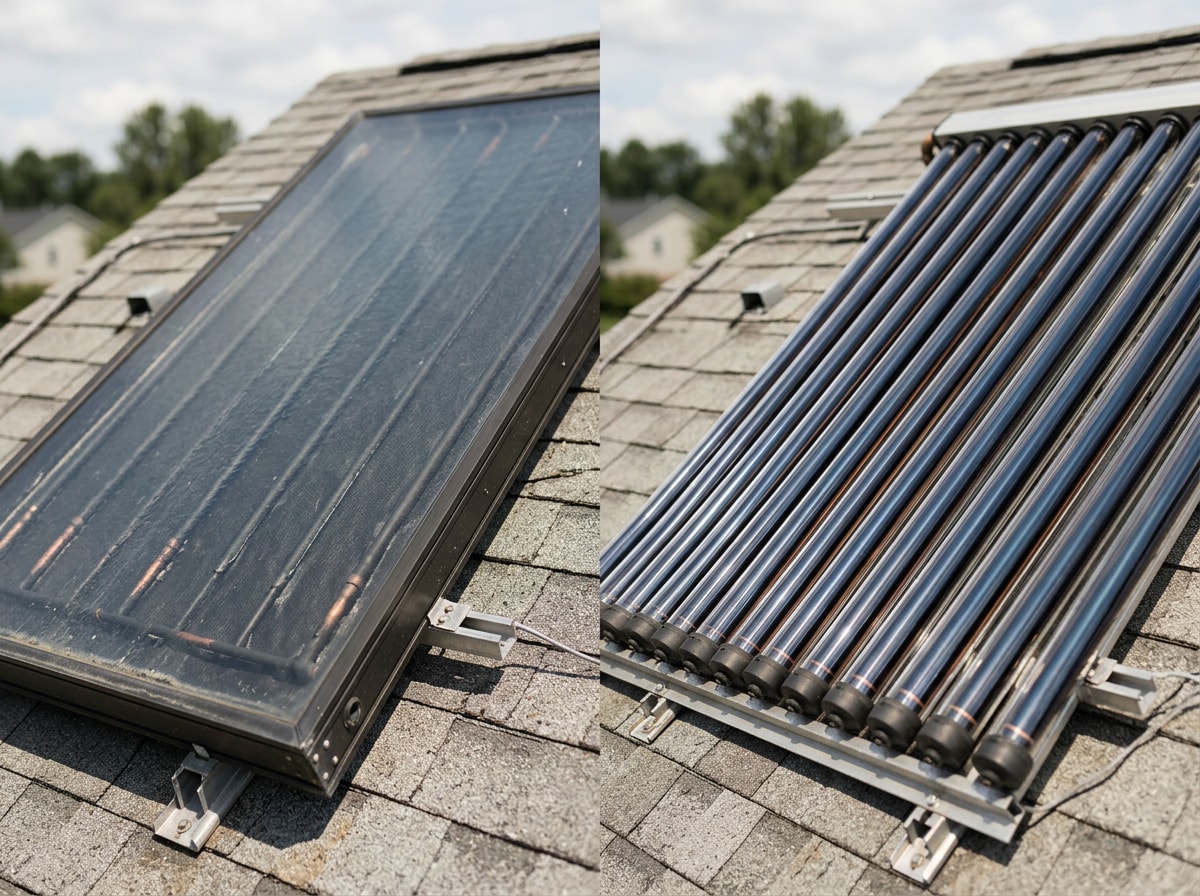
Flat-plate collectors sit at the lower end of the price range, while evacuated-tube collectors cost more but hold efficiency better in cold, overcast conditions, a real consideration during Guthrie's gray winter stretches. Only buy collectors that carry independent certification. ICC-SRCC is the premier certifier of solar thermal collectors and solar water and air heating systems in North America, and SRCC's OG-100 program rates the performance of solar collectors. That certification is what most state and utility rebate programs require before they'll approve a unit.
Storage Tank
Tank sizing depends on household size: a two- to three-person home typically needs around 80 gallons, while larger households may need 120 gallons or more to avoid running short during back-to-back cloudy days.
Labor
Labor accounts for a bigger share of total cost on solar systems than on a standard tank swap, since mounting a roof collector and running fluid lines takes more time and more trades. Most installs take one to three days depending on roof access and whether electrical work is needed.
The 2026 Tax Credit Update (Read This Before You Budget)
This is the part most national pricing guides gloss over, and it changes the math for every 2026 Guthrie install. Under the termination of credits rule, you can't claim residential clean energy credits for expenditures made after December 31, 2025. That means the 30% federal Residential Clean Energy Credit that used to apply to qualified solar water heating property, filed on IRS Form 5695, is no longer available for systems placed in service in 2026 and beyond.
Practically, that shifts the payback math back toward straight energy savings rather than a tax-credit discount. If a local utility or state program offers a rebate, confirm eligibility directly with the installer before signing a contract, since availability shifts year to year.
Pros and Cons of Solar Water Heaters
Pros
The standard home will see an average of at least a 50% reduction in water-heating electricity use, and this number can be much higher in places that get a lot of sun. Beyond the bill savings, these systems run quietly, require relatively light maintenance once installed, and can reduce strain on your conventional water heater during peak demand.
Cons
Upfront cost is the biggest hurdle. Paying $3,000 to $12,000 for a system is a bigger initial outlay than a standard water heater replacement, and with the federal tax credit now expired for 2026 installs, payback periods run longer than they did a year ago. You'll also still need a backup conventional heater for extended cloudy stretches or heavy winter demand, since no solar water heater runs entirely off-grid on its own.
If your current setup is already struggling and you'd rather compare backup equipment before committing to solar, our heating system installation page covers what a straight replacement costs for context, and our HVAC hourly rate guide for Norman, OK breaks down regional labor pricing that applies to solar-related plumbing and electrical work too.
Is It Worth It for Your Guthrie Home?
It depends on your household's hot water usage, your current utility rates, and how long you plan to stay in the home. Guthrie's sun exposure is solid enough to make the energy-savings case on its own merits, even without the expired federal credit sweetening the deal. For an exact number, you need a site visit, not a national average, since roof orientation, shading, and existing plumbing layout all swing the final price.
Get a free estimate and we'll walk your roof, check your existing water heater setup, and give you real numbers for active vs. passive before you commit. We also serve homeowners in Guthrie and across the surrounding Edmond and Oklahoma City areas, so you can compare notes with neighbors already running these systems.
Start at our homepage to see the full range of heating and cooling services we handle alongside solar-assisted water heating.
FAQ
How long does a solar water heater last?
The collector typically lasts 20 to 25 years, while the storage tank usually lasts 8 to 15 years before needing replacement. Freeze damage and hard water buildup shorten that lifespan if the system isn't properly protected for winter.
Is a solar water heater worth it in Guthrie, OK?
Often, yes, on energy savings alone, since Oklahoma gets enough peak sun hours to make active indirect systems perform well. With the federal tax credit expired for 2026, the payback period runs longer than in prior years, so run the numbers against your actual hot water usage before committing.
Do solar water heaters work on cloudy days or in cold weather?
Yes, but they lean on a backup conventional water heater when solar output drops. Freeze protection, like an indirect glycol loop, matters most during Oklahoma's occasional hard freezes.
Is there still a tax credit for a solar water heater in 2026?
No federal Residential Clean Energy Credit applies to systems placed in service after December 31, 2025. Some state or utility rebates may still exist, so ask your installer what, if anything, currently applies in Logan County.
What's the difference between active and passive solar water heaters?
Active systems use pumps and controllers to circulate fluid and perform better in cold climates; passive systems rely on natural convection, cost less, but carry more freeze risk without added protection, making them a tougher sell for Guthrie winters.