Air conditioning replacement cost in Tulsa, OK typically runs $4,500 to $15,000 installed in 2026, depending on system type, size, and brand. That's a wide range, and most of it comes down to a handful of decisions you control. This guide breaks those decisions down by dollar amount so you know what you're actually paying for before a contractor rings your doorbell.
Average Air Conditioning Replacement Cost in Tulsa, OK
Our technicians quote AC replacement jobs across the Tulsa metro every week, and the numbers below reflect what homeowners are actually paying right now, not a national average padded with outlier markets.
| System Type | Typical Installed Cost Range |
|---|---|
| Central air only (condenser + coil) | $4,500 – $8,500 |
| Full AC + furnace replacement | $8,500 – $15,000 |
| Heat pump system (cooling + heating) | $7,500 – $14,000 |
| Ductless mini-split (per zone) | $3,500 – $8,500 |
A condenser-only swap sits at the low end because the ductwork, furnace, and electrical already exist. A full AC-and-furnace changeout or whole-home heat pump conversion runs higher since you're replacing more equipment and sometimes upgrading electrical to match it.
Two contractors can quote the same job thousands of dollars apart and both be fair. The difference almost always traces back to equipment tier, sizing accuracy, and what's included in labor. If you want a number specific to your house rather than a range, get a free estimate from our team before you commit to anything.
Why AC Replacement Prices Vary So Much in Tulsa
Three factors move the needle more than anything else: tonnage, brand, and efficiency rating. Here's how each one plays out in a real quote.
System Size (Tonnage)
Most Tulsa homes between 1,500 and 2,500 square feet need a 2.5-ton to 5-ton unit, though insulation, window count, and ceiling height all shift that number. Getting tonnage right matters more than most homeowners realize.
An oversized unit short-cycles, wasting energy and wearing out parts early. An undersized one runs nonstop and still can't keep up on a 100-degree Tulsa afternoon. A contractor should run a Manual J load calculation, not just match your old unit's size, before quoting equipment.
Equipment Brand and Efficiency Tier
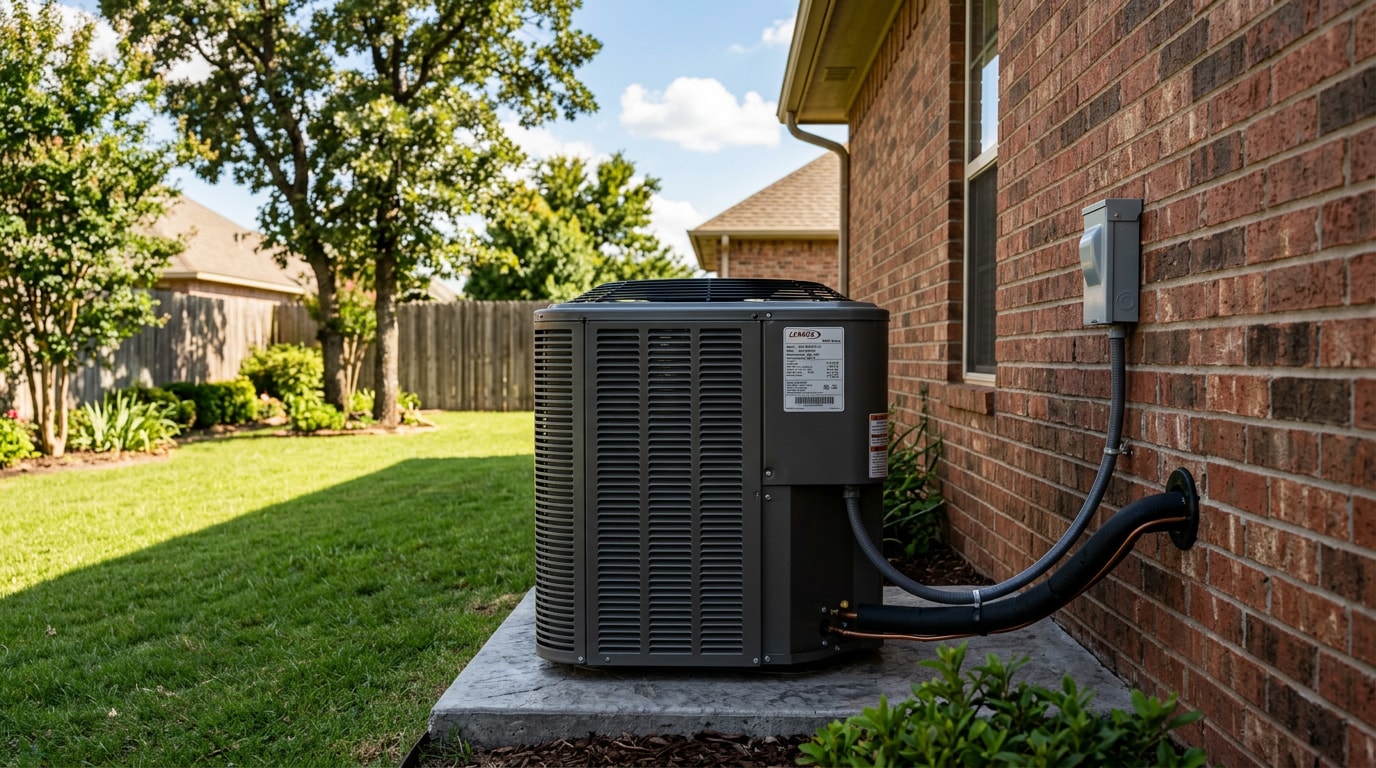
Trane, Carrier, and Lennox typically sit at the premium end of the pricing tier, with longer warranties and quieter compressors. Mid-tier and budget brands shave real money off the equipment line without sacrificing basic reliability.
Every new central air system sold today also has to clear a federal efficiency floor. For split-system central air conditioners, the North requires 13.4 SEER2 and the South and Southwest require 14.3 SEER2 , and Oklahoma's Southwest-leaning climate zone falls under the higher threshold. That rule changed how manufacturers price entry-level units, which is part of why quotes for similar-looking jobs can differ by a few thousand dollars.
The 2026 Tax Credit Change Worth Knowing About
If you were counting on a federal tax credit to offset part of the cost, that math changed this year. The Energy efficient home improvement credit will not be allowed for any property placed in service after December 31, 2025 , under the federal tax law signed in mid-2025. A system installed in 2026 doesn't qualify no matter how high its SEER2 rating is, so don't let a quote that references the old 30% credit shape your budget.
Ask any contractor for an itemized breakdown so you can compare equipment cost separately from labor and permits. Our HVAC Hourly Rate in Norman, OK guide breaks down how labor pricing works across the metro if you want to see that line item in more detail.
Full System Replacement vs. Condenser-Only Swap
Not every quote covers the same scope of work. Swapping just the outdoor condenser and indoor coil, while leaving the existing furnace or air handler in place, sits toward the lower end of the range because labor and ductwork stay untouched.
Full replacement costs climb once the furnace or air handler is also due for retirement and needs to come out at the same time. Replacing both together often costs less combined than tackling each separately down the road, since labor overlaps and you avoid a second service call. A full AC system replacement also lets your installer size the whole system as one unit instead of forcing a new condenser to work with an aging coil.
Heat pump installation costs tend to land close to a full AC-and-furnace swap, though the final number depends on whether your electrical panel needs an upgrade to support the new equipment. A licensed installation team can walk through which scope actually applies to your home before you sign anything.
Ductless Mini-Splits and Ductwork Costs
Older Tulsa neighborhoods, garage conversions, and room additions often have no ductwork at all, which rules out a standard central air swap. A single-zone mini-split typically runs $3,500 to $8,500, covering one indoor unit paired with an outdoor compressor. Each additional indoor head adds to the total.
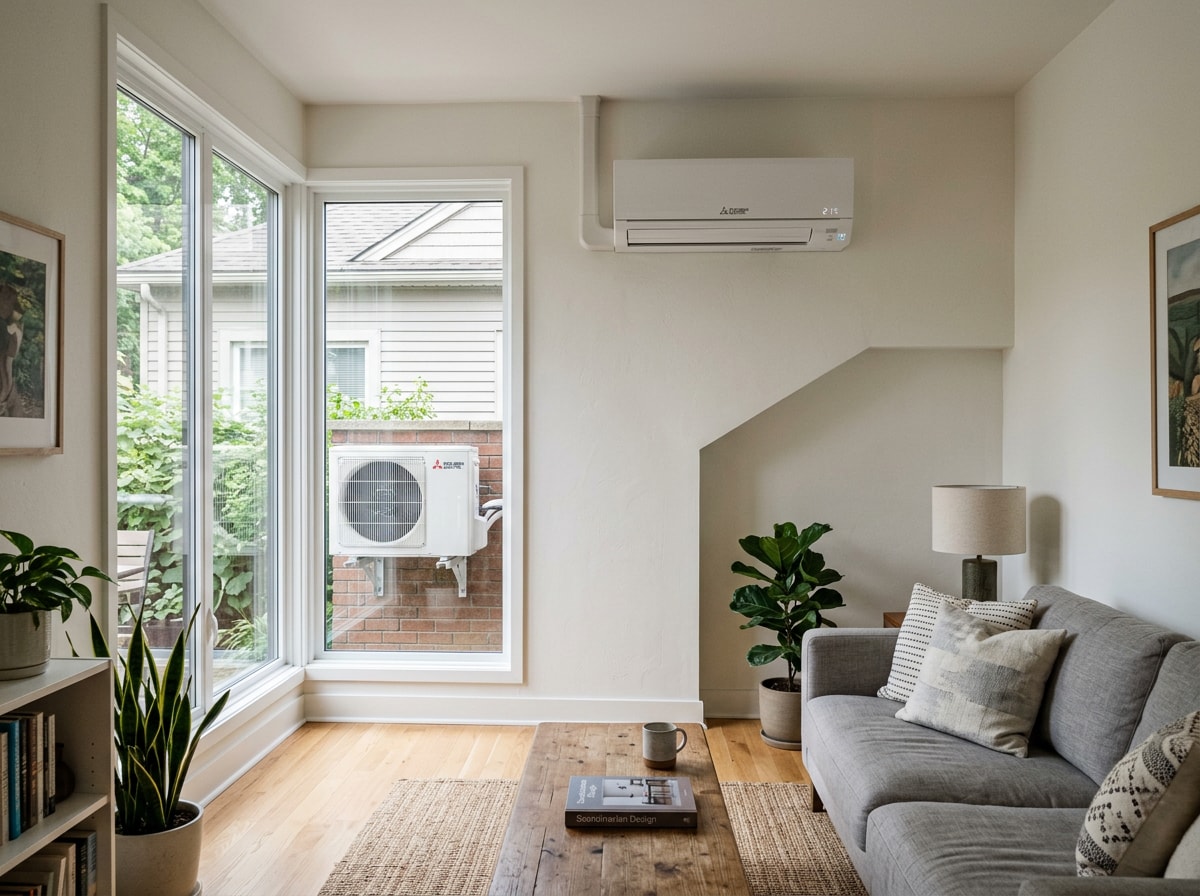
If your home does have ducts but they're damaged, undersized, or leaking, duct repair becomes its own line item separate from the AC unit, sometimes adding several thousand dollars to a project that looked simple on paper. Ask for a duct inspection as part of any replacement quote, not as an afterthought once the install is already underway.
Repair or Replace? The $5,000 Rule for Tulsa Homeowners
A simple gut check: multiply your AC's age by the repair estimate. If the result tops $5,000, replacement usually makes more financial sense than another repair. Combine that math with the warning signs below.
- Age × repair cost exceeds $5,000
- Repairs needed more than once per cooling season
- System still uses R-22 refrigerant
- Energy bills climbing despite normal usage
- Noticeably uneven cooling between rooms
If two or more of these apply, it's time to start collecting replacement quotes instead of scheduling another repair call. A repair visit can also give you an honest read on whether the unit is worth saving at all.
Why R-22 Systems Push the Math Toward Replacement
New production and import of most HCFCs were phased out as of 2020, and the most common HCFC in use today is HCFC-22, or R-22, a refrigerant still used in existing air conditioners . Recharging an R-22 system now relies entirely on reclaimed supply, which keeps prices high and climbing. If your unit still uses R-22, a repair quote that includes a refrigerant recharge is often the clearest sign it's time to replace instead.
System Age and Lifespan
Age alone isn't the full story. A well-maintained 14-year-old unit can outperform a neglected 9-year-old one. But once a heat pump or air conditioner is more than 10 years old, it's worth considering replacement with a unit that has earned the ENERGY STAR label, since a high-efficiency unit installed correctly can save up to 20 percent on heating and cooling costs . Routine AC maintenance extends that window, but it doesn't erase it.
Rising Energy Bills
An aging AC loses efficiency years before it stops working altogether. As components wear and refrigerant levels drift, the SEER rating on the nameplate stops reflecting real-world performance. Comparing June and July bills year over year is a simple way to catch this trend before a breakdown forces the decision for you.
Permits and Licensing for AC Replacement in Tulsa
Replacing a full AC system in Tulsa requires a mechanical permit pulled through the city's Development Services Permit Center before work begins. Development Services conveniently issues general repair building permits over the counter in its Permit Center, though a project may require multiple permits such as building, electrical, mechanical, and plumbing depending on scope . Only a licensed contractor can legally pull a trade permit, so confirm licensing before signing anything.
Permit cost is usually modest compared to the equipment and labor total, but it's often billed as a separate line item rather than folded into the headline quote. That's one more reason two bids for the same job can look different on paper. Skipping the permit step can create problems later, including issues during a home sale if the work was never inspected. Our team pulls permits as part of every HVAC system replacement we complete in the city.
Getting a Quote That Actually Matches Your Home
A written, itemized quote is the only way to compare apples to apples. Ask every contractor to separate out equipment, labor, permits, and any ductwork or electrical work. If a bid is unusually low and skips the permit line entirely, treat that as a red flag rather than a bargain.
We serve homeowners throughout Tulsa, OK and the surrounding metro, and our estimators walk the home before quoting rather than pricing off a phone call. If your current system is on its last leg, visit our homepage to see the full range of services we offer, or go straight to requesting a free estimate.
FAQ
How much does AC replacement cost in Tulsa, OK?
Most AC replacement projects fall between $4,500 and $15,000 installed, depending on whether it's a condenser-only swap, a full AC-and-furnace system, or a heat pump. Ductless mini-splits typically cost less per zone. A written, itemized quote narrows that range for your specific home.
When should I replace vs. repair my AC in Tulsa?
Use the $5,000 rule: multiply the unit's age by the repair cost, and if the total tops $5,000, replacement usually makes more sense. Favor replacement once a unit passes 10 to 12 years old, needs frequent repairs each season, or still runs on R-22 refrigerant.
How long does it take to replace an AC system in Tulsa?
A standard condenser-and-coil swap runs about one day. Jobs involving ductwork, electrical upgrades, or a full AC-and-furnace replacement usually take two to three days, since they need more inspection and coordination.
Do I need a permit for a full HVAC replacement in Tulsa?
Yes. A mechanical permit through the City of Tulsa Development Services Permit Center applies to full HVAC replacements, and only a licensed contractor can pull it. Ask your installer to confirm this is included in the project scope.
Is there still a federal tax credit for a new AC in 2026?
No. The Energy Efficient Home Improvement Credit ended for any equipment placed in service after December 31, 2025. A system installed in 2026 doesn't qualify, regardless of its efficiency rating.
What size AC unit do I need for a Tulsa home?
Most homes between 1,500 and 2,500 square feet need a 2.5-ton to 5-ton unit, but insulation, window count, and ceiling height all affect the right size. A contractor should run a load calculation rather than matching your old unit's tonnage by default.